|
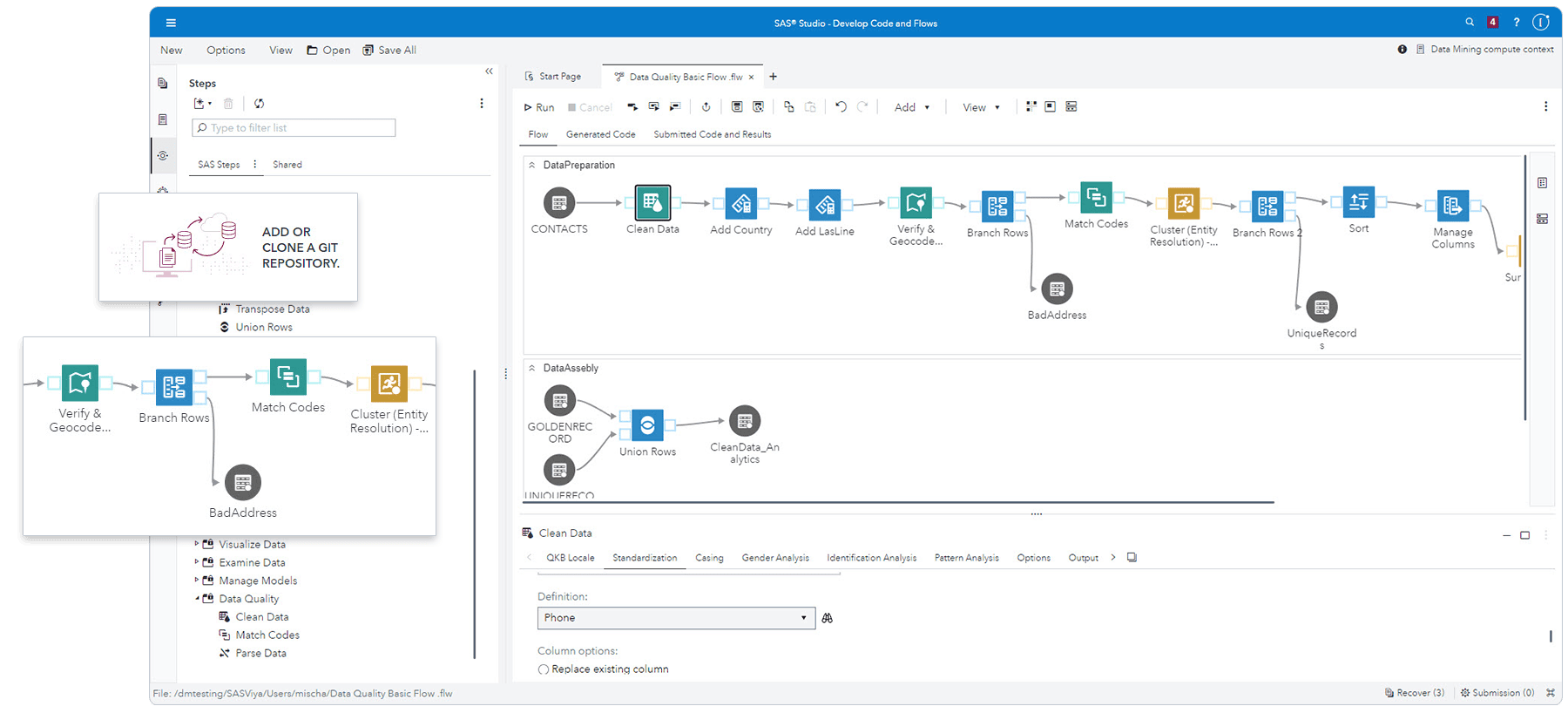
What is SAS Data Quality Solution? SAS Data Quality Solution provides an enterprise platform for profiling, cleansing, augmenting and integrating data to create consistent, reliable information that significantly improves returns on corporate intelligence initiatives.
Why is SAS Data Quality Solution important? Billions of dollars are lost annually because of poor data quality. Introducing even minor data quality disciplines can provide tremendous savings. SAS Data Quality Solution enables you to improve the accuracy of information your organization receives, reduce operating costs and increase the value of strategic initiatives.
For whom is SAS Data Quality Solution designed? SAS Data Quality Solution is designed for two primary groups: business users who are responsible for owning the business rules and data relationships as well as analyzing data for business intelligence; and technical users who complete the data cleansing process and ensure that the cleansed data adheres to corporate standards and is consistent across the enterprise.
Key Benefits
- Profile, monitor and actively manage the quality of enterprise data. SAS Data Quality Solution provides the ability to analyze and assess the quality of data across the enterprise. Profiling allows you to determine where potential problms exist and what efforts will be required to rectify them.
- Integrate and standardize data across multiple systems and business units. With SAS Data Quality Solution, organizations can incorporate data quality business rules across data sources and platforms. By implementing standard and custom processes, data from different systems can be regulated and standardized into a unified, accurate view.
- Define data correction rules to reflect organizational changes and cleanse data. Specialized interfaces make it easy for business analysts and data stewards to create data quality improvement processes and visualize the impact of business rules and data cleansing efforts. State-of-the-art data quality tools enable business and technical users to cleanse, standardize, integrate and augment data.
- Provide decision makers with information they can trust. Accurate, consistent, valid and reliable data delivers consistent reporting and analytic results. By automatically integrating data quality into data integration processes, data used for business intelligence and analytics will be current and accurate.
Key Features
- Powerful, easy-to-use interface. A Windows-friendly environment lets business users and data stewards analyze data, define business rules and create data quality process improvement specifications for IT users.
This enables them to visualize the impact of poor data and easily define processes that are repeatable and reusable.
- Data profiling. A robust environment analyzes data across the enterprise to determine nuances and discrepancies.
An interface and an interactive reporting mechanism make it easy to determine areas of poor data quality and the amount of effort required to rectify them.
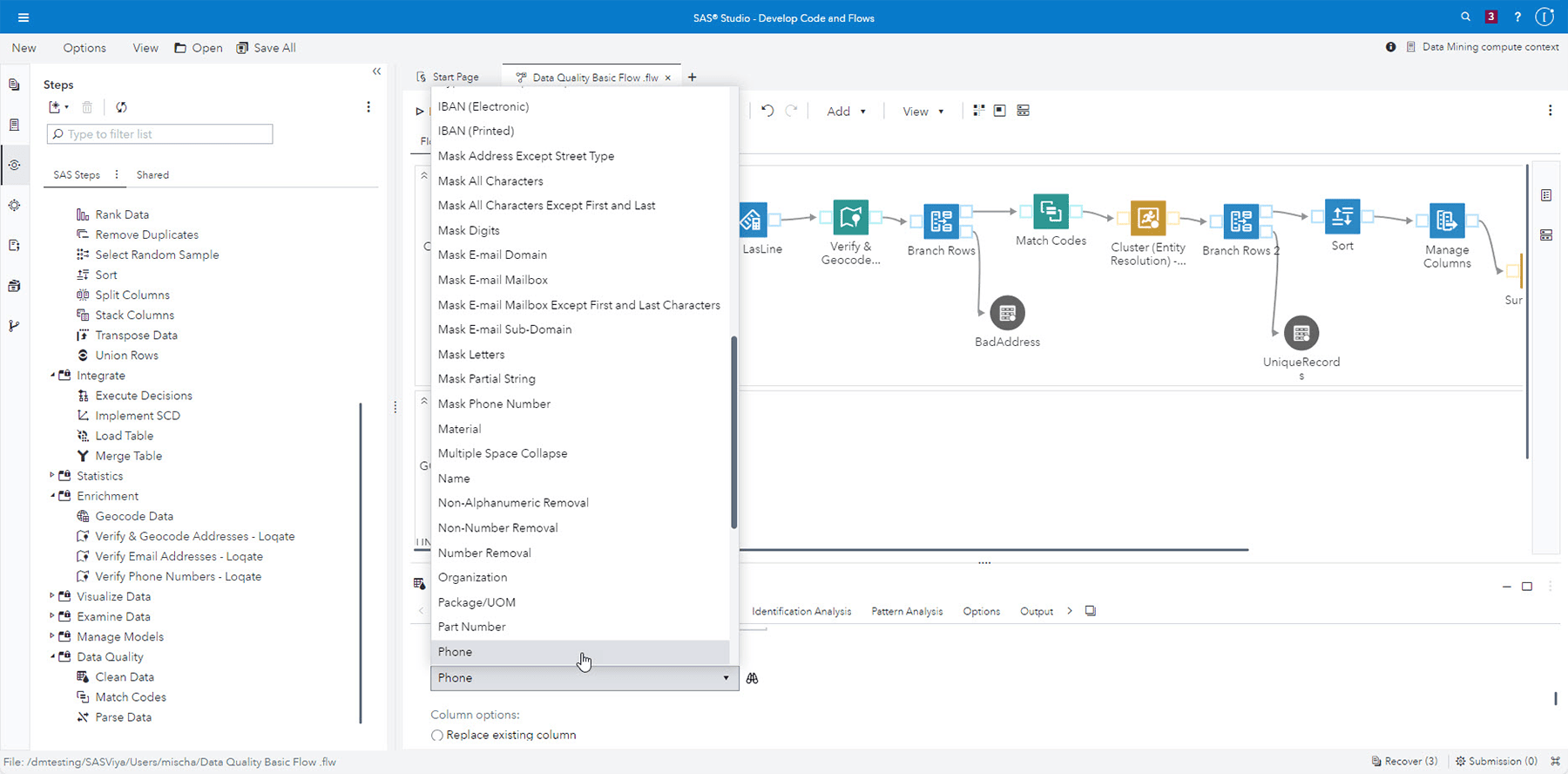
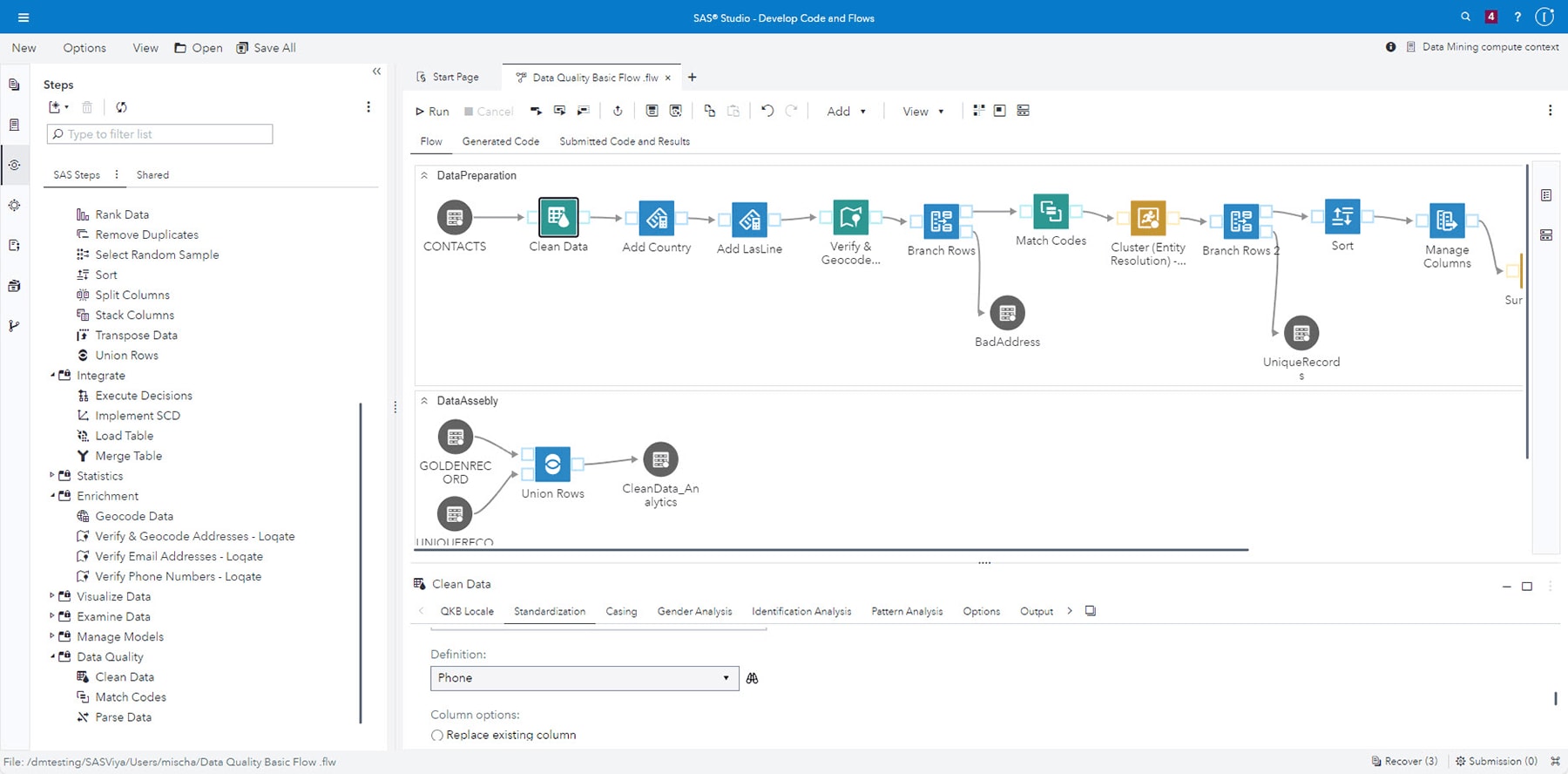
- Cleansing and standardization. Easy-to-use tools enable data stewards, business users and technical users to analyze and prototype data quality cleansing processes and apply corrections to improve the accuracy of analyses.
- Matching and deduplication.
Matching algorithms can join dissimilar data from multiple sources using algorithms that include heuristics and multinational data phonetics. This helps eliminate guesswork when complete matches are not possible and creates a consistent view of information. Unique key values are created with fuzzy logic to group together information with similar values (for example, Robert, Bob and Bobby) across one field or multiple fields. You can remove and merge duplicate values in data, significantly reducing storage requirements and providing consistent information across data sources.
- Identification analysis.
This capability determines the gender of an individual, which may be helpful in segmenting data for targeted marketing purposes. It can also determine whether a value is a person or an organization, which could be used to determine the type of services to offer when a call is placed to customer service.
- Customization.
Personalizing or customizing the parsing, matching, standardization and identification algorithms and rules provides the ability to control the data quality process based on an individual organization’s business requirements. A common Quality Knowledge Base lets you share this information as well as leverage language-specific algorithms between server and client components.
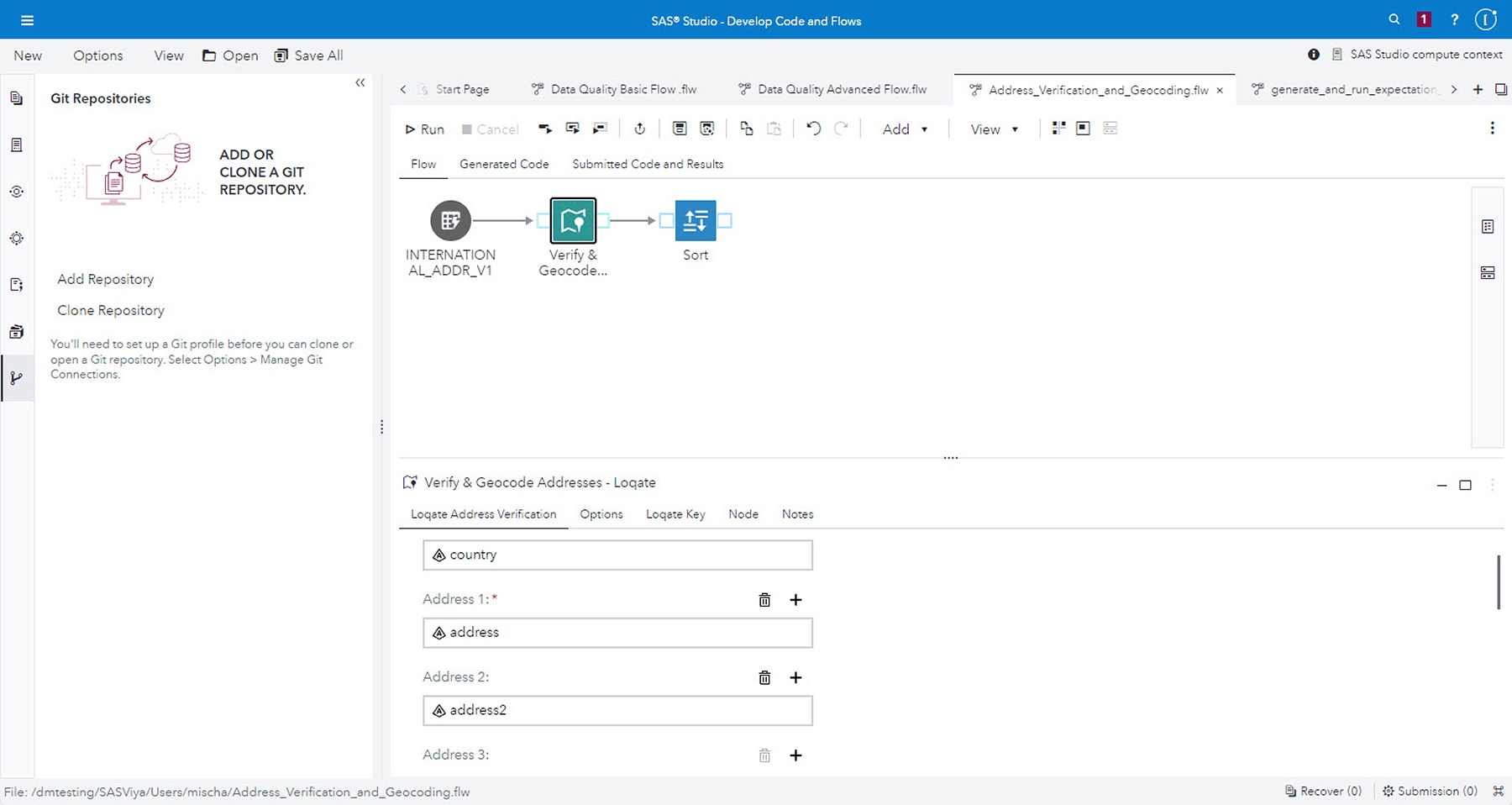
- International support. The solution understands the differences in various languages, including names, addresses, organizations and other business data.
- Component of SAS Data Integration.
SAS Data Quality Solution can be applied to any data source supported by SAS on any supported platform, which ensures enterprise scalability and enhances the quality of all data integration processes and strategies. The collaborative approach to data integration and data quality helps eliminate duplication of effort by data stewards and analysts, and their work can be further leveraged by IT professionals to enforce the quality metrics over time and across the enterprise.
- Extends the value of SAS Business Intelligence solutions. Integrating data quality lifecycle management capabilities within business intelligence solutions creates high-impact results and ensures an acceptable return on investment.
For a complete list of key benefits and features, refer to the SAS Data Quality Solution fact sheet .
|
|